Adria AI
Designing an agentic AI assistant
About Project
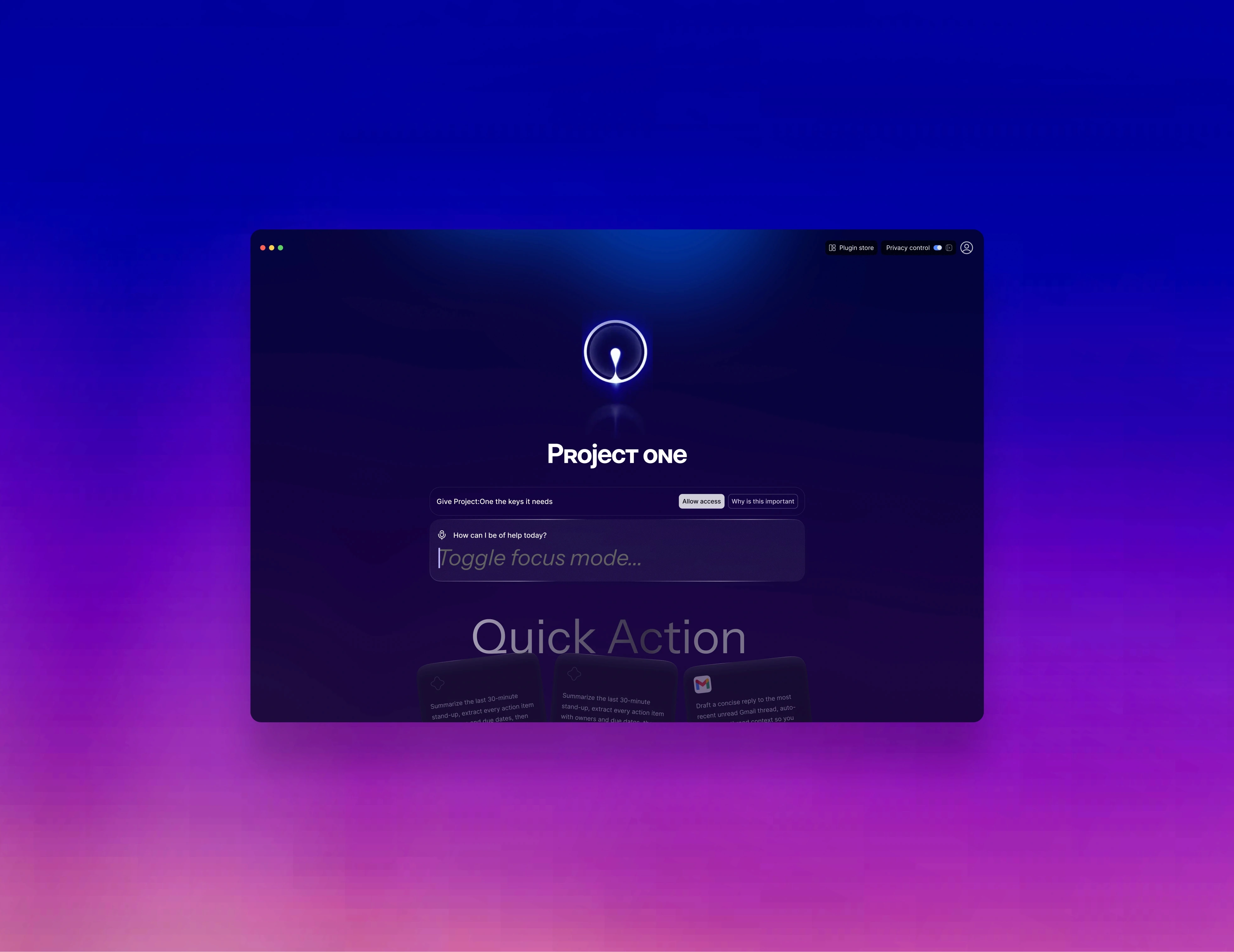
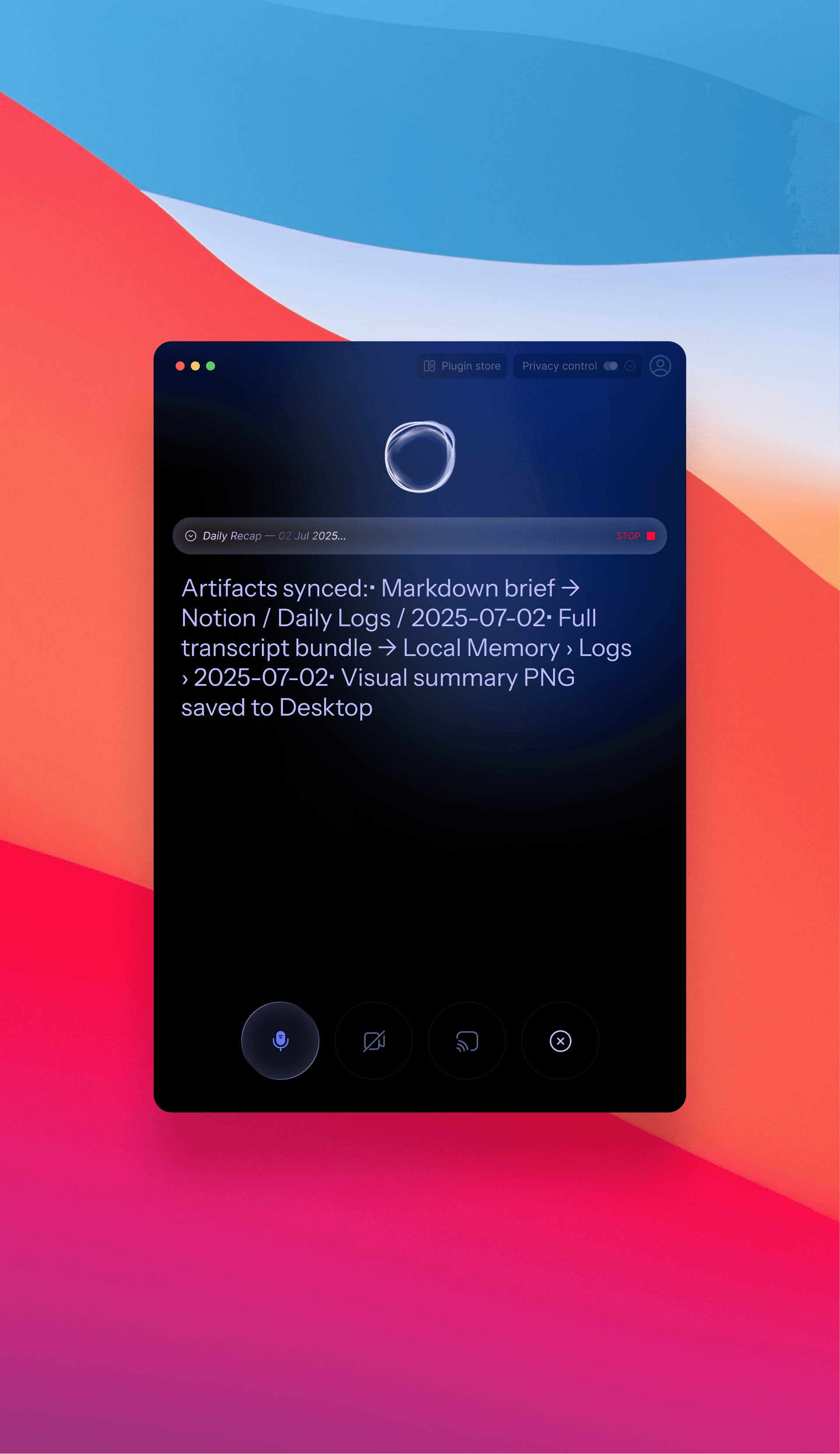
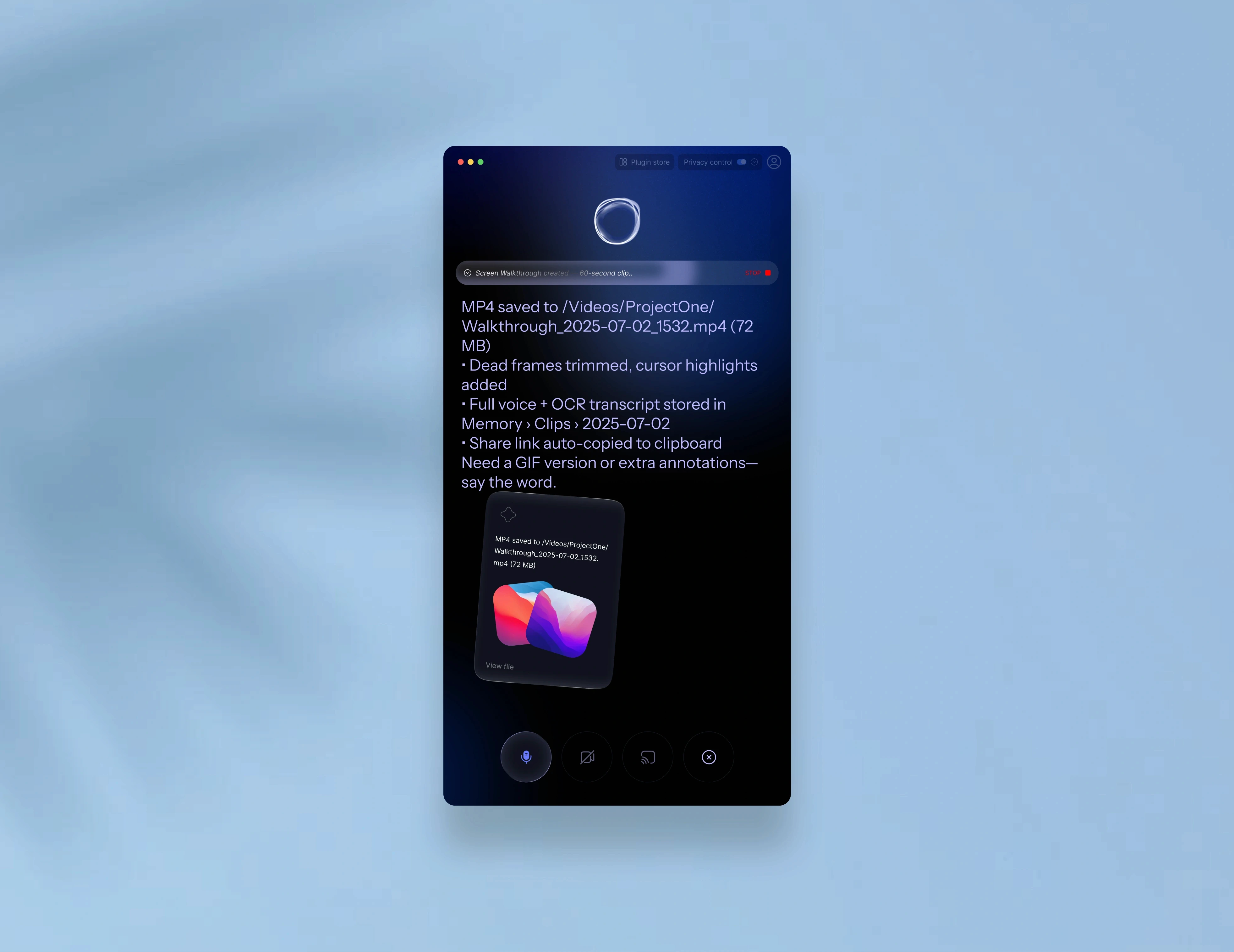
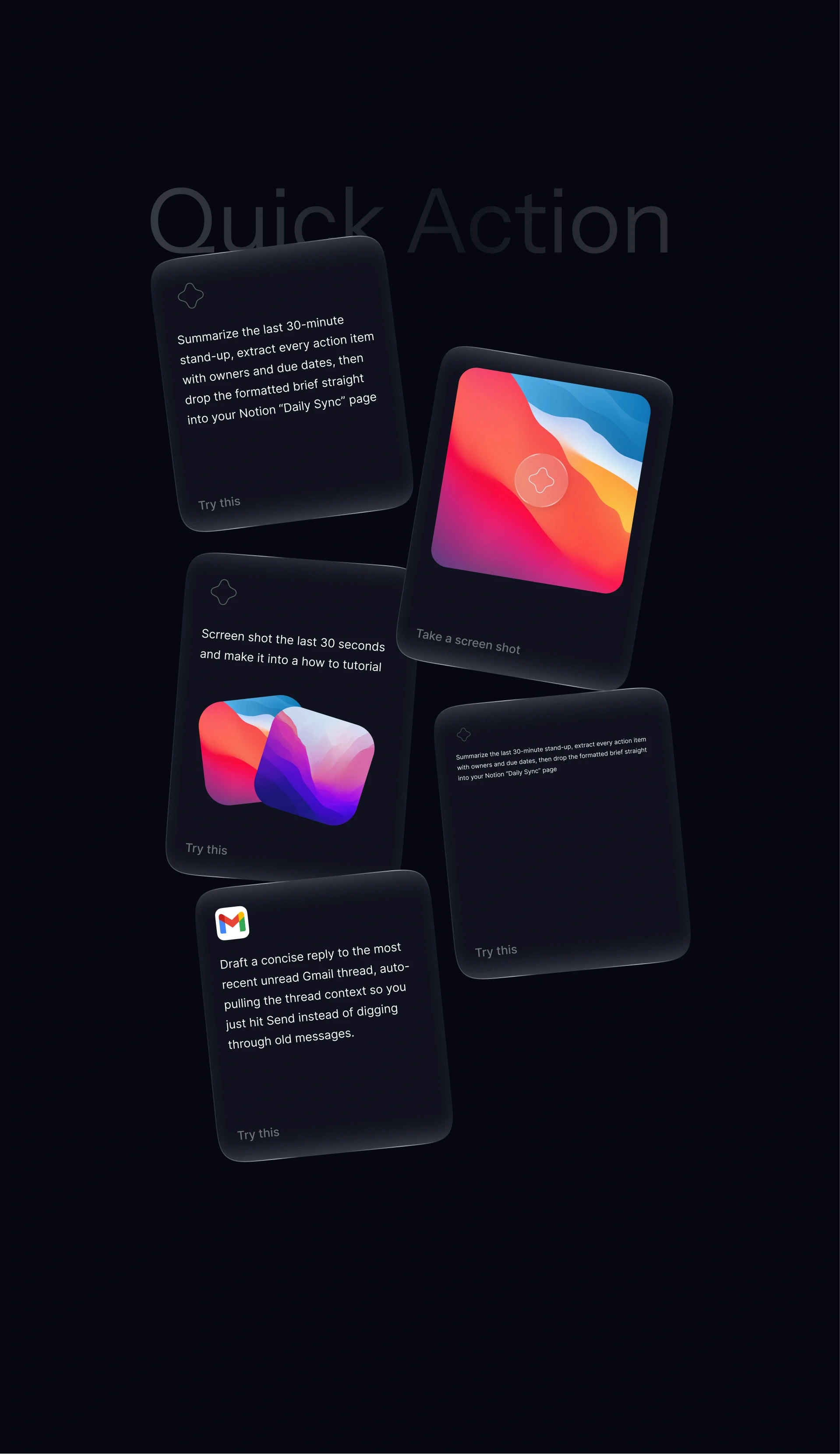
Adria AI explored how large language models could move beyond chat interfaces and become system-level agents. The goal was to design an AI assistant that lives inside the operating system, understands ongoing context, and can take action on the user’s behalf—summarizing meetings, drafting and sending emails, scheduling tasks, and interacting directly with system-level functions. This was an exploratory, pre-launch project driven by emerging LLM capabilities rather than established patterns.
The Problem
Adria AI explored how large language models could move beyond chat interfaces and become system-level agents. The goal was to design an AI assistant that lives inside the operating system, understands ongoing context, and can take action on the user’s behalf—summarizing meetings, drafting and sending emails, scheduling tasks, and interacting directly with system-level functions. This was an exploratory, pre-launch project driven by emerging LLM capabilities rather than established patterns.
How it was solved

Beyond core assistant capabilities, the system was designed to be extensible. Plans included a plugin marketplace that would allow developers to build custom tools and UI extensions, enabling users to tailor the assistant to their workflows.
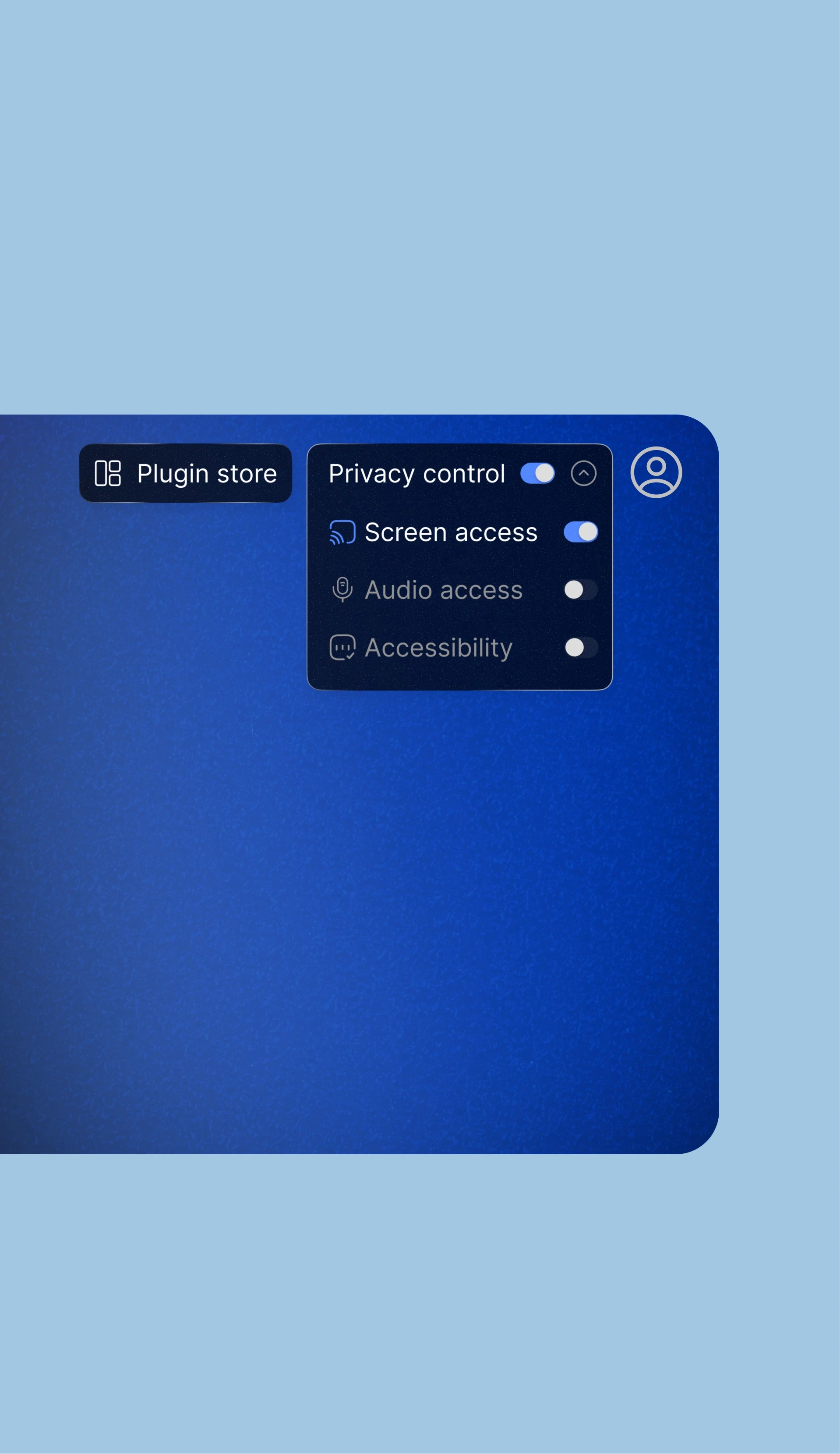
Security and privacy were treated as first-class design problems. A dedicated Privacy Control layer allowed users to instantly toggle system access on or off, as well as granularly manage permissions such as microphone, file access, or background monitoring. This ensured users could benefit from an always-present assistant while retaining full control over what the system could see, hear, or act on.

Other Projects



Adria AI
Designing an agentic AI assistant
About Project
Adria AI explored how large language models could move beyond chat interfaces and become system-level agents. The goal was to design an AI assistant that lives inside the operating system, understands ongoing context, and can take action on the user’s behalf—summarizing meetings, drafting and sending emails, scheduling tasks, and interacting directly with system-level functions. This was an exploratory, pre-launch project driven by emerging LLM capabilities rather than established patterns.
The Problem
Adria AI explored how large language models could move beyond chat interfaces and become system-level agents. The goal was to design an AI assistant that lives inside the operating system, understands ongoing context, and can take action on the user’s behalf—summarizing meetings, drafting and sending emails, scheduling tasks, and interacting directly with system-level functions. This was an exploratory, pre-launch project driven by emerging LLM capabilities rather than established patterns.
How it was solved
Beyond core assistant capabilities, the system was designed to be extensible. Plans included a plugin marketplace that would allow developers to build custom tools and UI extensions, enabling users to tailor the assistant to their workflows.
Security and privacy were treated as first-class design problems. A dedicated Privacy Control layer allowed users to instantly toggle system access on or off, as well as granularly manage permissions such as microphone, file access, or background monitoring. This ensured users could benefit from an always-present assistant while retaining full control over what the system could see, hear, or act on.